Lights, Camera, Shuffle: What's Really Happening Inside a Live Dealer Studio

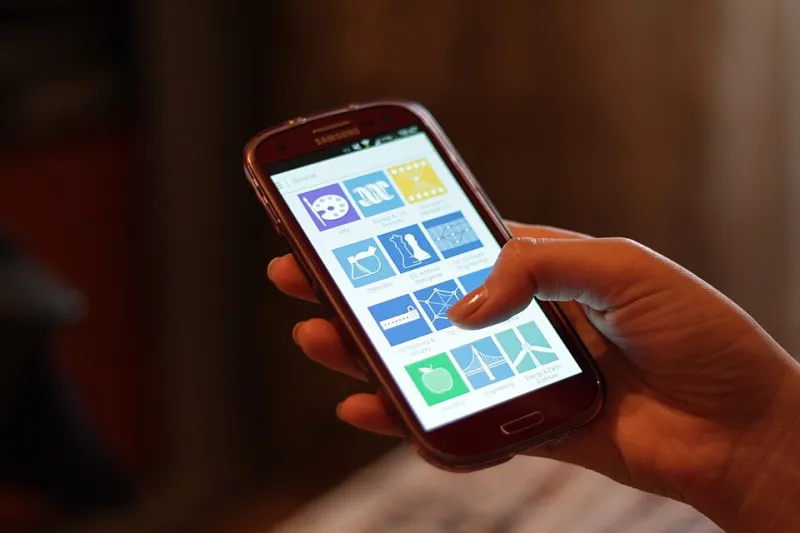
Photo: Benjamin Reed, CC BY-SA 2.0, via Wikimedia Commons
Ten years ago, if you wanted to watch real cards get dealt, you drove to a casino. Today, millions of Americans open an app and find themselves at a blackjack table staffed by a professional dealer, streamed in HD from a studio that looks suspiciously like a TV set. Live dealer has become the bridge between the convenience of online play and the texture of a real floor — and the operation behind it is stranger and more sophisticated than most players realize.
The Studio Is Built Like a Broadcast Set
Live dealer studios aren't warehouses with a table tossed in the corner. They're purpose-built production facilities. The major suppliers run studios in regulated US states — Pennsylvania, Michigan, New Jersey — under the same licensing regimes as the casinos themselves, because the games are legally real-money gaming operations.
Walk onto a studio floor (metaphorically — they're locked down tight) and you'd find:
- Multiple tables arranged in pods, each with its own lighting, sound dampening, and camera rig
- Dozens of camera angles, including overhead shots that read card values and roulette wheel positions in real time
- Green-screen extensions, letting a single physical table appear as dozens of themed "rooms" with different branding and limits
- Redundant everything — backup dealers, backup dealers' cameras, backup internet. The show can't stop because the money is live.
The tables themselves use card readers and sensors that log every outcome instantly. When the dealer flips your blackjack, the system already knows what it is before the camera does.
The Dealers: Part Croupier, Part Broadcaster
Live dealer training is a hybrid discipline. Dealers learn traditional casino mechanics — shuffle procedures, chip handling, game rules, payout accuracy — but they also get broadcast coaching: eye contact with the lens, speaking to an invisible audience, keeping energy up across a shift where they might see thousands of players cycle through.
They're monitored constantly. Every hand is recorded, every shuffle is on camera, and results are audited against expected statistical distributions. A dealer can't nudge an outcome any more than a slot machine can — but the surveillance exists because regulators demand it and players should be glad it does.
Dealers rotate on schedules designed to keep pacing sharp, and table limits vary by "room" — the same physical table can host a $5 table and a $500 table through different digital interfaces.
Why the Pacing Feels Different
If you've played both, you know: live dealer is slower. A RNG blackjack hand can be dealt in three seconds. A live hand involves a real human shuffling, cutting, dealing, waiting for bets, and resolving side wagers.
That pacing is a feature, not a bug — for some players. It's closer to the rhythm of a real table, it gives you time to think, and it naturally slows your rate of play, which stretches a bankroll further per hour. RNG games, by contrast, are speed engines. More hands per hour means the house edge compounds faster, even if the edge itself is identical.
So Are the Odds Actually Better?
Here's the honest answer: the odds in live dealer games are governed by the same math as their RNG counterparts. A blackjack table with standard rules has the same house edge whether a human or an algorithm deals the cards. Roulette is roulette.
The differences that matter are structural:
- Rule variations can differ — some live tables pay 3:2 blackjack while certain RNG games quietly pay 6:5. Always check the rules screen.
- Bet minimums tend to run higher on live tables, because a real human has to deal every hand.
- Game selection is narrower live — you won't find 200 exotic variants of baccarat.
- Rate of play is slower live, which as noted actually reduces hourly expected loss at the same edge.
So no, live dealer isn't a cheat code. But for players who find RNG games sterile or play too fast for their own good, the live format is arguably the healthier product.
The Verdict
Live dealer works because it solves a real problem: online casino play can feel like betting against a spreadsheet. A human face, real cards, and the natural rhythm of a table bring back some of the social texture that made casino floors fun in the first place. It's not better odds — it's a better experience, and for a lot of players, that's exactly the point.
Play bold, win big, bet smarter — and now you know what's happening on the other side of that camera.