In-Play and In-Control: Mastering the Art of Live Betting Before It Masters You

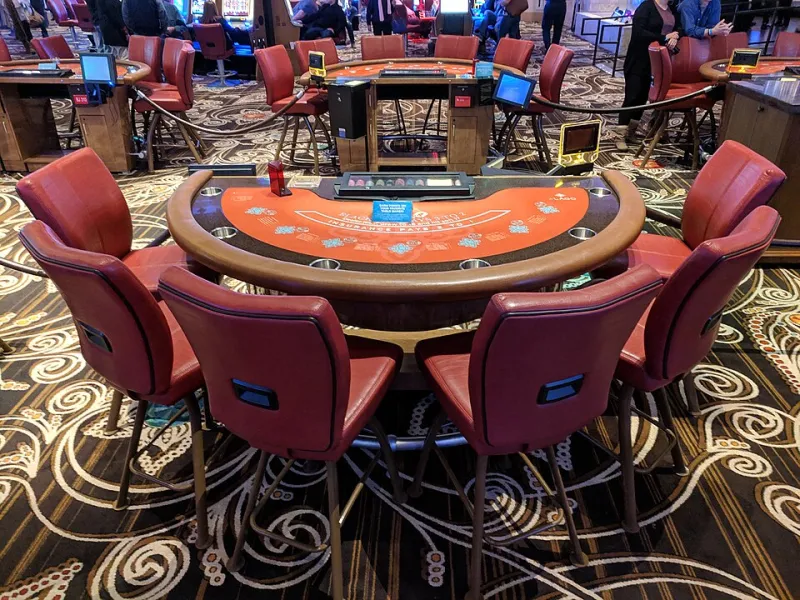
Photo: Elena Siebert, CC BY-SA 2.0, via Wikimedia Commons
Not long ago, placing a sports bet meant locking in your pick before tip-off and then sitting back, helpless, as the game unfolded without you. Win or lose, your fate was sealed the moment the sportsbook confirmed your ticket. That world is fading fast.
Live betting — also called in-play wagering — has become the hottest segment in American sports gambling, and for good reason. It puts you back in the driver's seat. The game is live, the odds are shifting by the second, and every momentum swing is a potential opportunity. But with that opportunity comes a completely different set of rules, risks, and mental demands. If you're still approaching live betting like a pre-game wager with a faster clock, you're already behind.
Why Live Betting Is Built Different
Pre-game betting is fundamentally a research game. You study matchups, injury reports, weather conditions, and historical trends. Then you make your call and wait. Live betting throws most of that out the window — not because research doesn't matter, but because the game itself becomes your primary data source.
When a starting quarterback limps off the field in the second quarter, the live odds on that team adjust within seconds. When a college basketball team goes on a 12-0 run to open the second half, the spread moves accordingly. The sportsbook is constantly recalibrating based on what's happening on the field, and your job is to identify when those recalibrations are either too slow or too extreme.
That's the core edge in live betting: finding the lag between reality and the line.
American sportsbooks have poured serious investment into live betting infrastructure precisely because players love it. FanDuel, DraftKings, BetMGM, and Caesars all report that in-play markets now drive a substantial and growing share of their total handle. It's not just a feature anymore — it's the centerpiece of the modern betting experience.
The Advantages of Betting While the Clock Runs
The most obvious benefit of live betting is context. You're no longer predicting what might happen — you're reacting to what is happening. That distinction matters enormously.
Let's say you liked the Kansas City Chiefs pre-game but hesitated because the line felt too tight. Now it's the second quarter, Patrick Mahomes just threw a pick-six, and KC is down 10. Suddenly, the live line has overcorrected, and you can grab the Chiefs at a much more attractive number. The underlying quality of the team hasn't changed — just the score and the public's panic.
This is the momentum-shift play, and it's one of the most reliable frameworks in live betting. Teams with strong coaching staffs, deep rosters, and elite quarterbacks rarely stay down for long. The market often overreacts to early deficits, creating value for bettors who stay calm.
Another edge: live totals betting. If a first half is defensive and sluggish, the over/under for the full game often drops. But if you watched that first half and noticed both offenses moving the ball well despite the low score — lots of three-and-outs near the red zone, a few dropped passes — you might have strong reason to believe the second half opens up. That's information the algorithm doesn't fully capture.
The Pitfalls That Catch Everyone Eventually
Here's the uncomfortable truth: live betting is designed to keep you engaged, and engagement is not always your friend.
The speed of in-play markets creates a psychological pressure that pre-game betting simply doesn't have. Odds are flashing. The game is moving. You feel like you're missing something if you're not clicking. That urgency is the enemy of disciplined wagering.
The most common trap is chasing. You bet the favorite pre-game, they fall behind, and now you're piling into live bets trying to hedge or recover. You're no longer betting on value — you're betting on emotion. The game hasn't necessarily changed your original read, but your ego has gotten involved, and that's a dangerous combination.
Another pitfall is bet frequency creep. Live betting makes it easy to place a dozen wagers during a single game. Even if each individual bet seems reasonable, the cumulative exposure can quietly blow past your intended session limit before halftime.
Practical Strategies to Stay Sharp
Pre-identify your spots. Before the game starts, decide which scenarios would make you interested in a live bet. "If Team A falls behind by two scores before halftime, I'll look at the live spread." Having a plan prevents reactive, emotionally-driven clicks.
Watch before you wager. Give yourself at least 10-15 minutes of live action before placing your first in-play bet. You'll get a feel for which team is actually controlling the game versus which one just got lucky on a big play.
Set a live betting bankroll separately. Treat your in-play budget as distinct from your pre-game allocation. This adds a natural friction that slows down impulsive betting.
Fade the overreaction. Public bettors panic. When a big-name team falls behind early, casual bettors bail and the line moves sharply. That overreaction is often where the value lives for patient, informed players.
Know when to stay out. Not every game has a compelling live angle. Sometimes the best bet is no bet. If you're watching a game and nothing obvious stands out, there's zero obligation to force a play.
The Bigger Picture
Live betting represents a genuine evolution in how Americans interact with sports. It rewards observation, composure, and preparation — the same qualities that separate good bettors from great ones in any format. But it also amplifies every bad habit, because the feedback loop is immediate and the temptations are constant.
The bettors who thrive in live markets aren't the fastest clickers or the most impulsive players. They're the ones who treat the live odds board like a negotiation — patient, informed, and willing to walk away when the number doesn't make sense.
The game is live. The opportunity is real. Now it's just about whether you're ready to play it smart.